


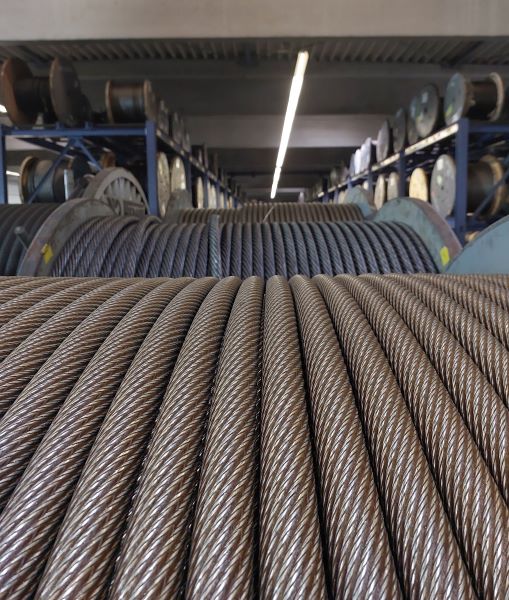
The President of the United States of America, Donald Trump has imposed 25 per cent tariffs on steel and aluminium entering the country in a major expansion of existing trade barriers.
While signing a series of executive orders to impose the tariffs on Monday, Trump said the tariffs, which he had floated on Sunday, would apply to all countries with “no exemptions”.
The tariffs, set to raise the cost of importing these metals into the U.S., come despite warnings of potential retaliation from political leaders in Canada—America’s largest supplier of these metals—as well as from other affected nations.
“Our nation requires steel and aluminum to be made in America, not in foreign lands. We need to create in order to protect our country’s future,” Trump declared as he signed the orders.
He emphasized that no exceptions would be made, stating he was “simplifying” the rules, which are scheduled to take effect on March 12.
“It’s time for our great industries to return to America—we want them back. This is just the beginning,” reported BBC.
Trump stated that the tariffs, which he had hinted at on Sunday, would apply universally, with “no exemptions, no exceptions.”
The U.S. is the world’s largest steel importer, with Canada, Brazil, and Mexico as its top three suppliers.
Canada alone supplied over half of the aluminum imported into the U.S. last year, making it the country most affected if the tariffs take effect.
On Monday evening, Canada’s Minister of Innovation, François-Philippe Champagne, condemned the tariffs as “totally unjustified.”
“Canadian steel and aluminum support key U.S. industries, from defense and shipbuilding to energy and automotive,” Champagne said. “This strengthens North America’s competitiveness and security.”
On Monday, shares of major U.S. steelmakers surged ahead of the expected order, with Cleveland-Cliffs rising nearly 20%. Steel and aluminum prices also increased, while the Canadian dollar and Mexican peso weakened.
Elsewhere in the market, the reaction was subdued, as investors questioned how committed Trump was to the tariffs, given his history of delaying or negotiating exemptions.
“The market is starting to wonder— is this just a negotiation tactic, or is Trump truly prepared to enforce these tariffs?” said Jane Foley of Rabobank.
In 2018, during his first term, Trump imposed tariffs of 25% on steel and 15% on aluminum but later negotiated exemptions for several countries, including Australia, Canada, and Mexico.








Leave a Reply